For years, Dreebo has quietly built one of the most respected independent careers in Los Angeles music.
Artist. Producer. Songwriter. Entrepreneur. Father.
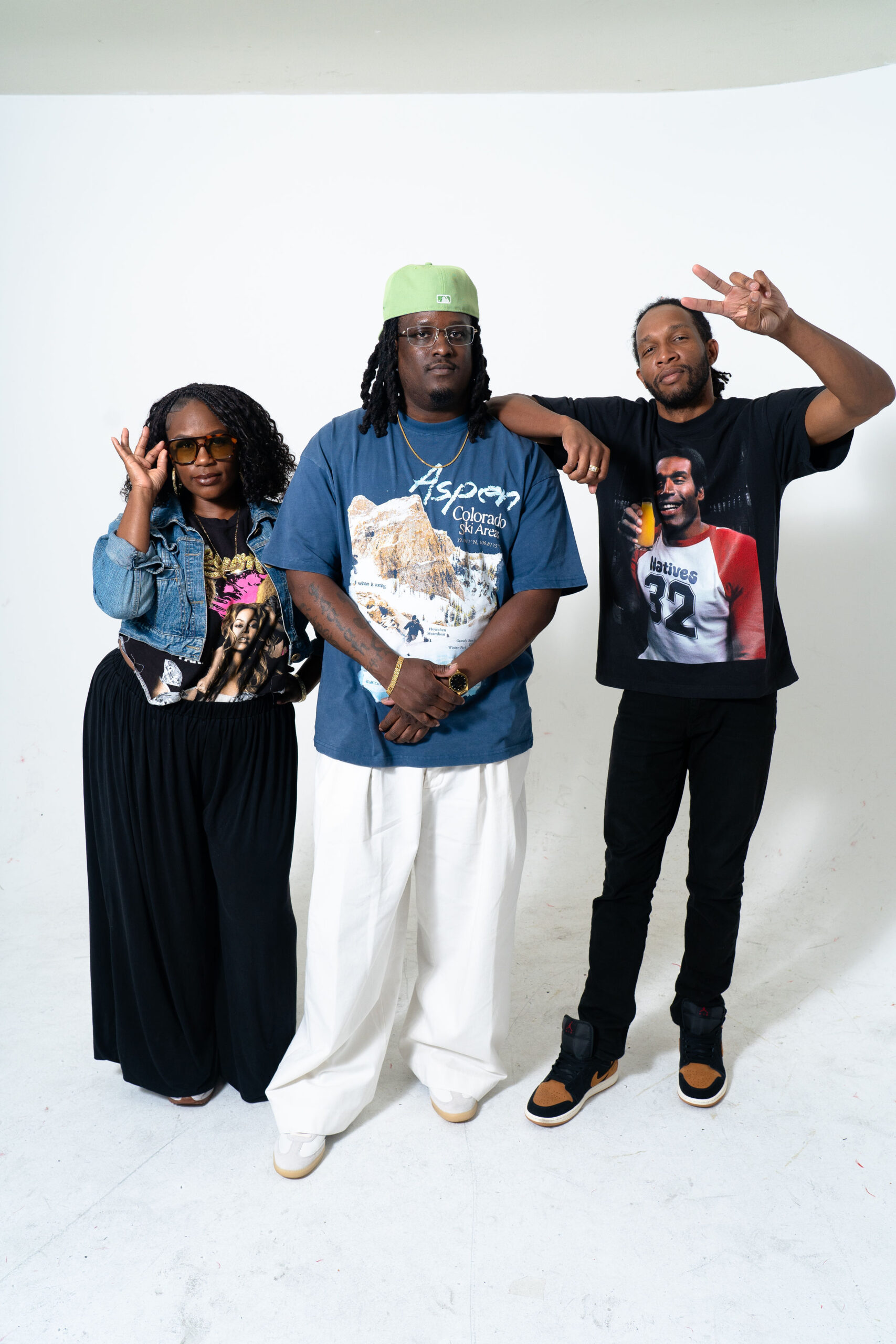
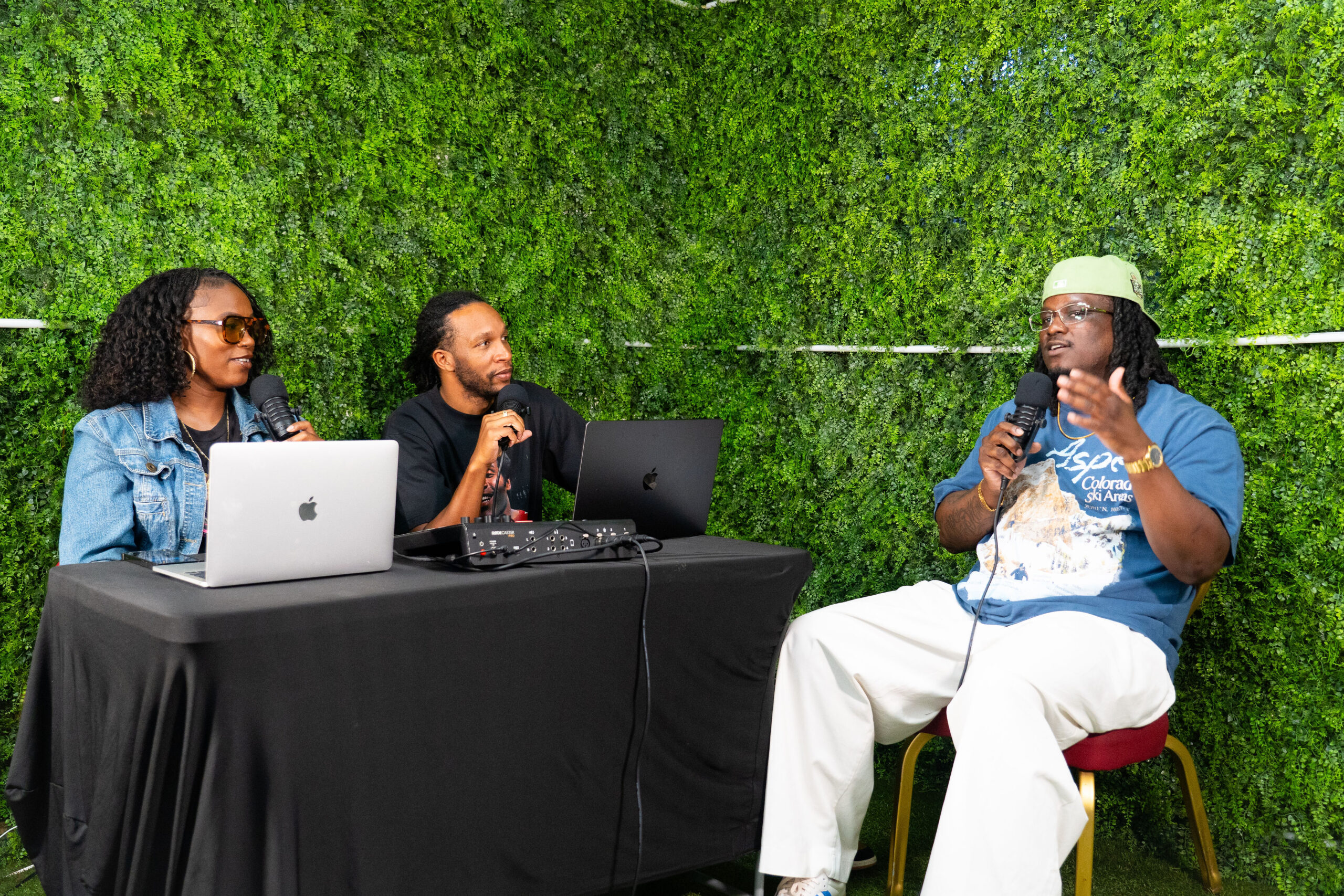
While many creatives spend years searching for an identity, Dreebo has spent his career expanding his. During his recent appearance on Home Grown Radio, he opened up about the experiences that shaped his latest project, Ogden Drive, and the lessons he’s learned through one of the most unconventional journeys in hip-hop.
The story starts long before music.
Before fans knew him as Dreebo, he envisioned a future in football. From childhood through college, athletics consumed his life. By his own admission, music wasn’t even part of the plan.
“I thought I was going to the NFL,” he explained, recalling how music unexpectedly entered his life while attending college. What started as casual sessions with friends eventually became an outlet for self-expression and personal reflection.
That internal dialogue would later become one of the defining characteristics of his music.
Dreebo describes his catalog as music for people chasing something—whether that’s entrepreneurship, career advancement, creative success, or personal growth. The motivational themes that run throughout his records aren’t manufactured. They’re rooted in conversations he’s had with himself throughout life’s challenges.
Nowhere is that more evident than on Ogden Drive.
Named after the Los Angeles street where he spent the first years of his life, the project represents far more than a collection of songs. The street carried both joyful memories and painful ones. It was where his family shared important moments, but it was also where his parents separated. Years later, life brought him back to the same neighborhood in an unexpected way.
After moving into a home just five houses away from his childhood residence, Dreebo found himself creating new memories alongside his wife and daughter.
“I was able to bring my daughter home to that same street that I was born on,” he said. More importantly, he was able to “rewrite the narrative” attached to those memories.
That theme of transformation runs throughout the album.
The conversation also revisited one of the most ambitious creative experiments in recent memory: Dreebo’s challenge to release music every day for an entire year.
Inspired by a conversation between Gary Vaynerchuk and the late Nipsey Hussle, Dreebo became convinced he could accomplish something most artists wouldn’t dare attempt. He ultimately spent months creating and releasing songs while navigating family obligations, personal loss, and the everyday realities of life.
The experience changed him.
“I learned that consistency can impact you universally as a human,” he explained. “I came out of that a better person.”
The challenge didn’t just make him a more disciplined artist. It strengthened every aspect of his life.
That same self-sufficient mentality has fueled much of his career. Rather than relying on others, Dreebo learned how to produce, engineer, write, record, and build much of his creative infrastructure himself. Those skills were born out of necessity but ultimately became one of his biggest advantages.
The independent approach has also led to major opportunities.
Throughout the interview, Dreebo reflected on collaborations with Larry June and Dame D.O.L.L.A., both of which introduced him to new audiences. His collaboration with Larry June became the first song in his catalog to surpass one million plays, helping establish a broader fan base.
He also shared a memorable story about recording at Dr. Dre’s studio, where he found himself so locked into creating that he barely processed the moment when the legendary producer walked into the room. Looking back, he jokes that he probably should have asked for a picture.
Today, however, Dreebo’s priorities have evolved.
Fatherhood has become one of the most important chapters of his life, and many of his recent creative decisions reflect that growth. The same artist who once measured success through music now speaks openly about family, community, and building something that lasts beyond records and streams.
That perspective may ultimately be the most important takeaway from the conversation.
In an industry obsessed with shortcuts, Dreebo continues to prove that consistency, authenticity, and patience still matter.
And if Ogden Drive is any indication, he’s only getting started.